
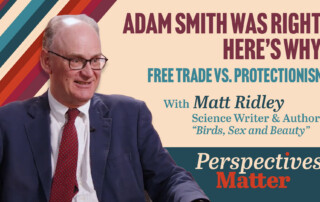
Matt Ridley, Part 3: Trade, Tariffs, and the Case for Innovation Over Retreat
Biologist and author Matt Ridley explores whether moral progress has kept pace with material gains, traces the idea of trade from mercantilism to modern tariff debates, and weighs the risks of climate change against the promise of continued human progress
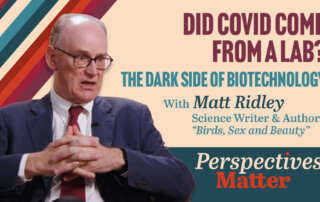
Matt Ridley, Part 2: Lab Leak, Longevity, and the Limits of Science
Biologist and author Matt Ridley lays out the case behind his book Viral: The Search for the Origin of COVID-19, which argues the pandemic likely began in a Wuhan laboratory rather than a natural spillover.
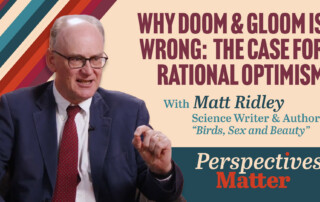
Matt Ridley, Part 1: Freedom, Innovation, and Human Progress
Biologist and author Matt Ridley discusses the famous Simon-Ehrlich wager on resource scarcity and how Adam Smith's Wealth of Nations laid the groundwork for understanding freedom and exchange as engines of prosperity.
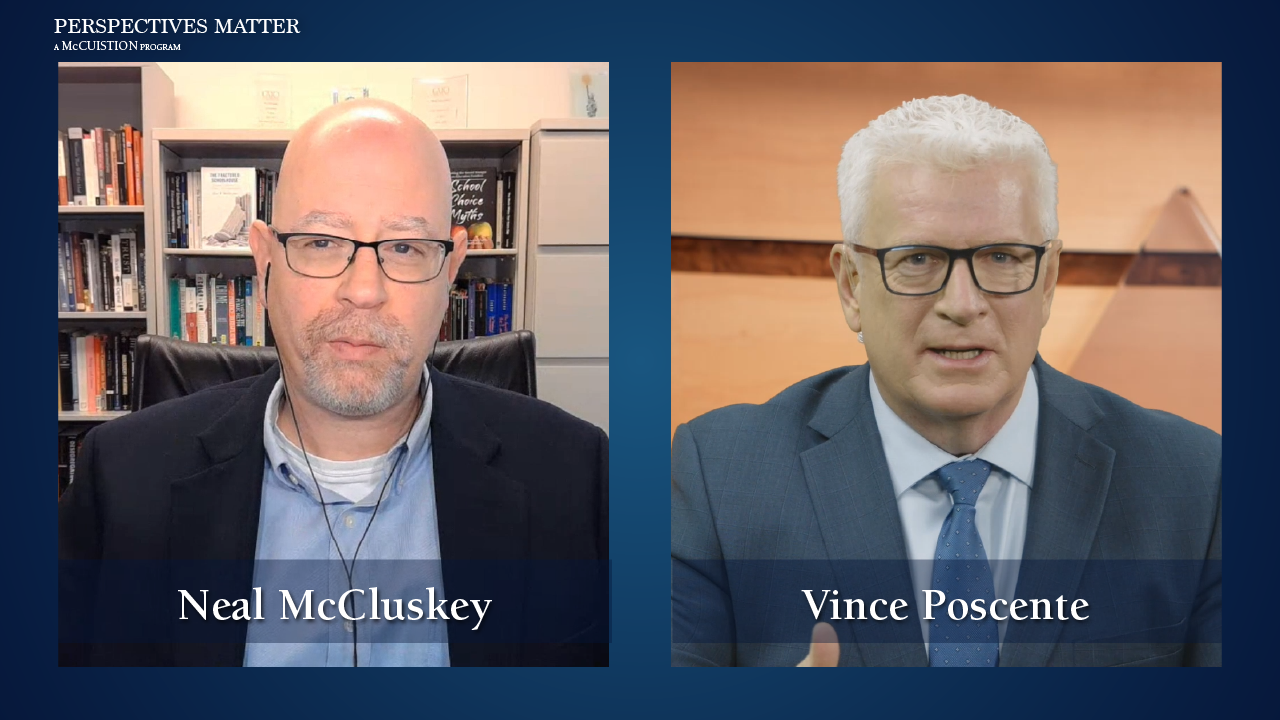
Book Banning and Censorship (3011)
As school leaders pull more books off library shelves and curriculum lists amid a fraught culture war, we explore the impact, legal landscape, and history of book censorship in schools.
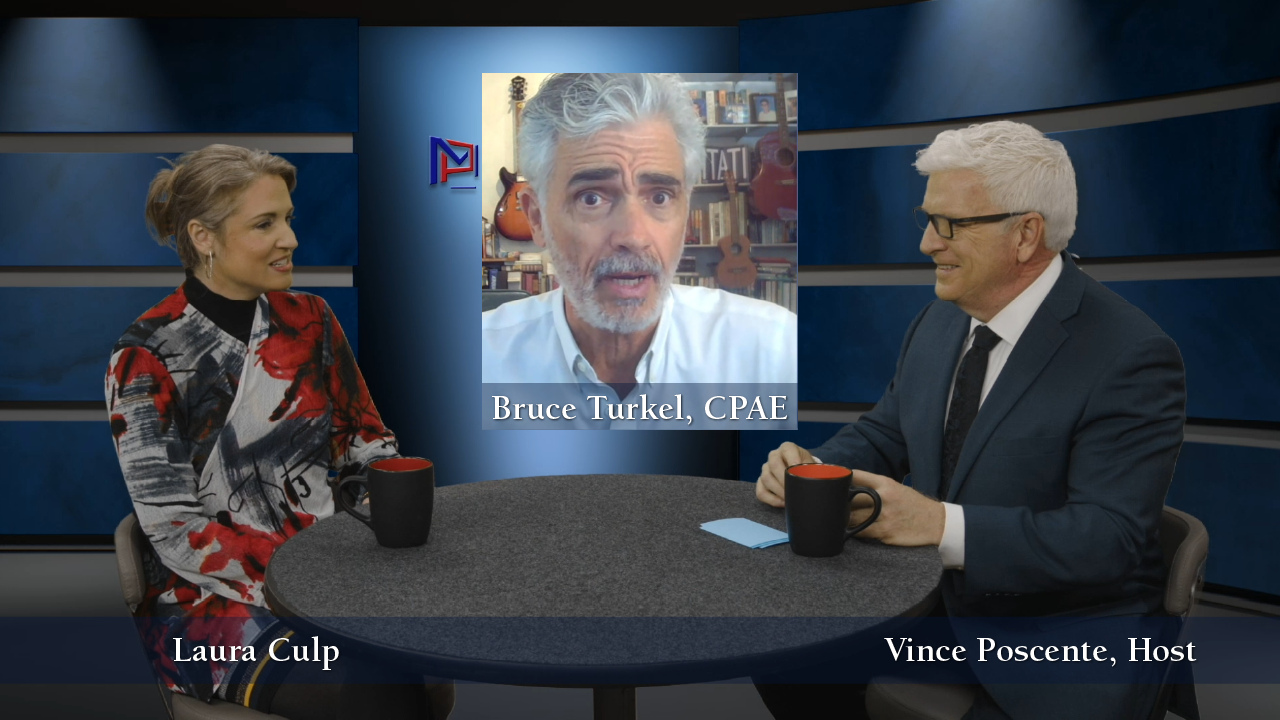
Brands in Crisis (5006)
Join hosts Vince Poscente and expert guests Laura Culp and Bruce Turkel for a discussion on Brands in Crisis.
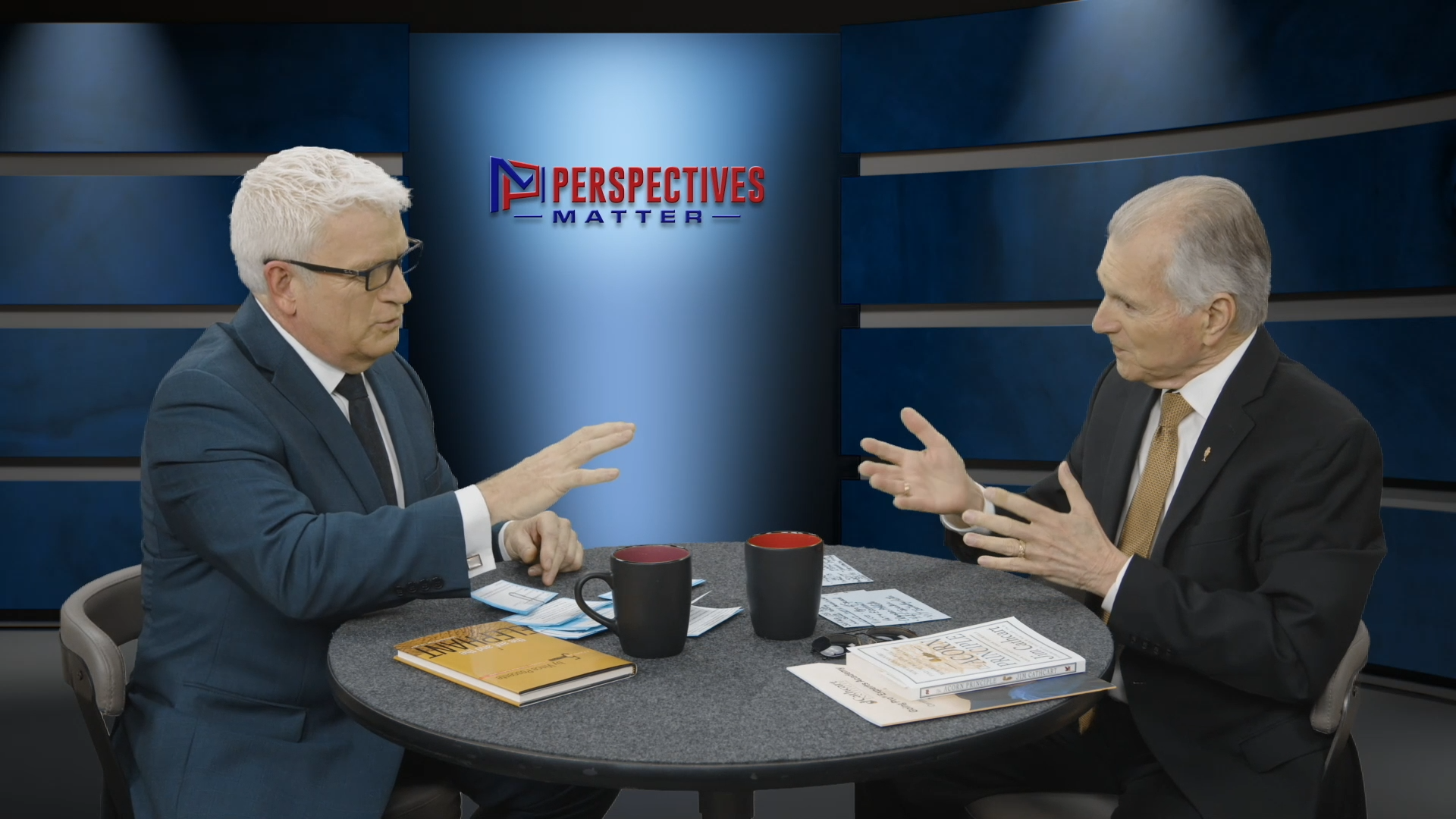
The Self-Help Industry: $12 Billion and Growing (5011)
Join hosts Vince Poscente, CPAE, and Jim Cathcart, CPAE, for The Self-Help Industry: $12 Billion and Growing.

The University of Austin: The Fearless Pursuit of Truth (4021)
Join us to learn more about the University of Austin and how it teaches.
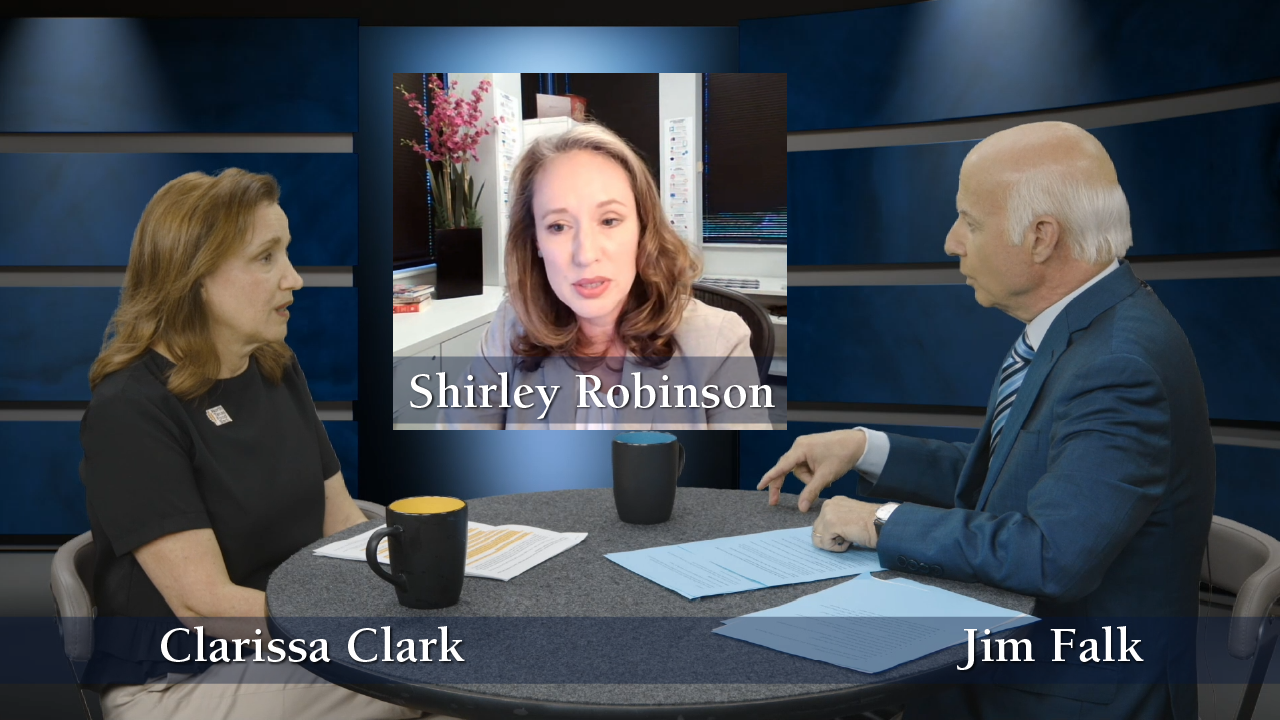
Nonprofits at Risk (5014)
As federal budgets are being sharply reduced and agencies dismantled, the effects are rippling across the country—often in unexpected ways.
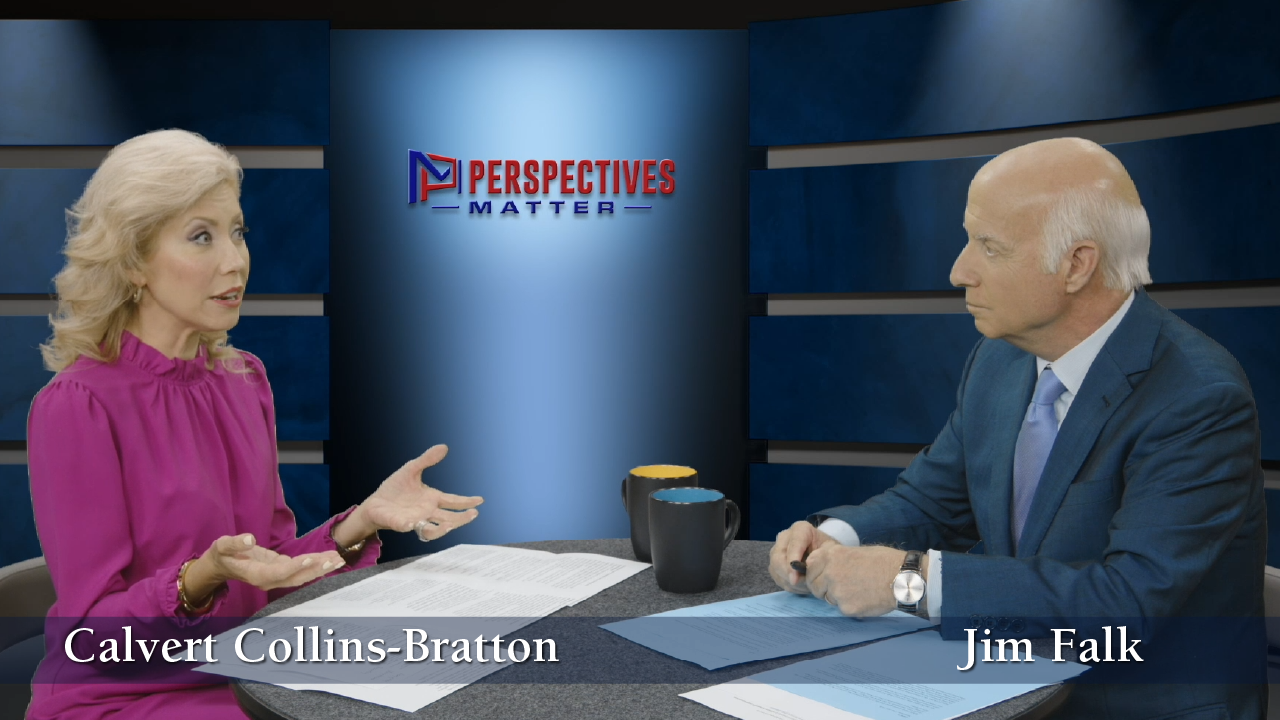
The Challenges Facing Nonprofits Today (5013)
There has been, since the 1970s, a push towards giving the President near absolute power expressed through what is described as the unitary executive power. Recognizing the corrupt nature of unchecked power, the Founders and writers of the Constitution designed a system of government with co-equal branches, creating a system of checks and balances.
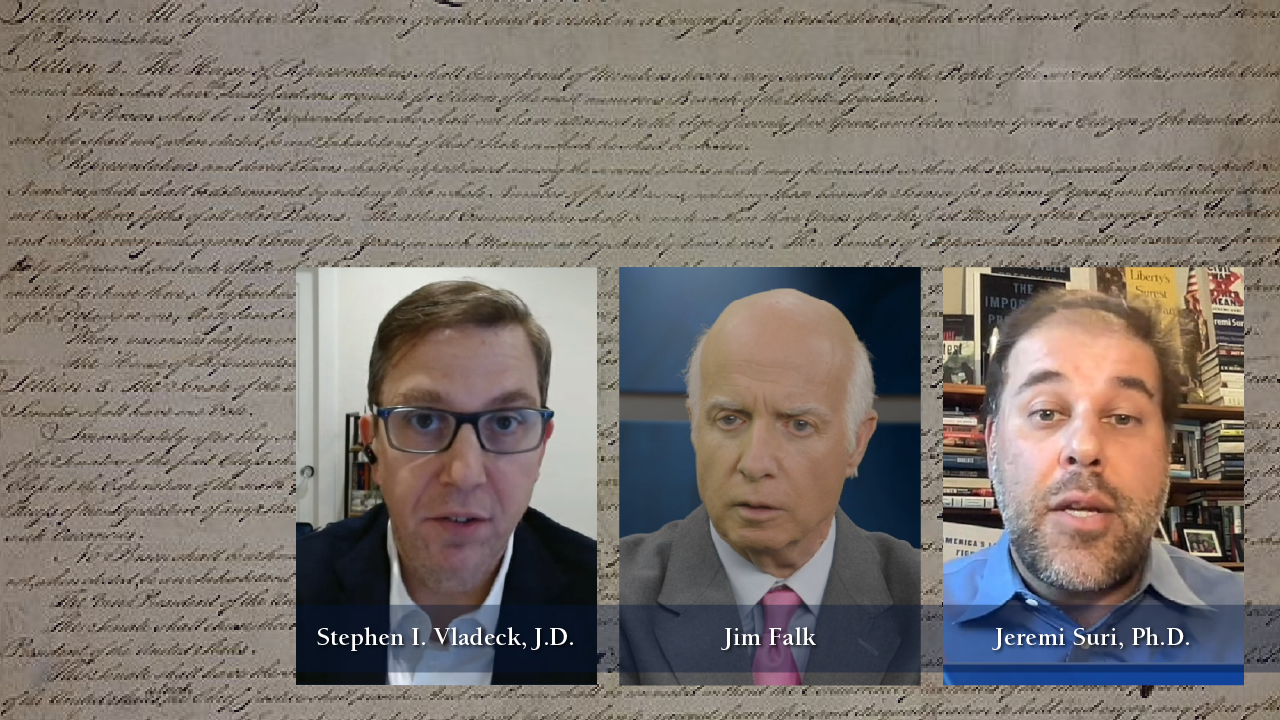
Unitary Executive Powers (5016)
There has been, since the 1970s, a push towards giving the President near absolute power expressed through what is described as the unitary executive power. Recognizing the corrupt nature of unchecked power, the Founders and writers of the Constitution designed a system of government with co-equal branches, creating a system of checks and balances.